
Last updated November 3, 2026
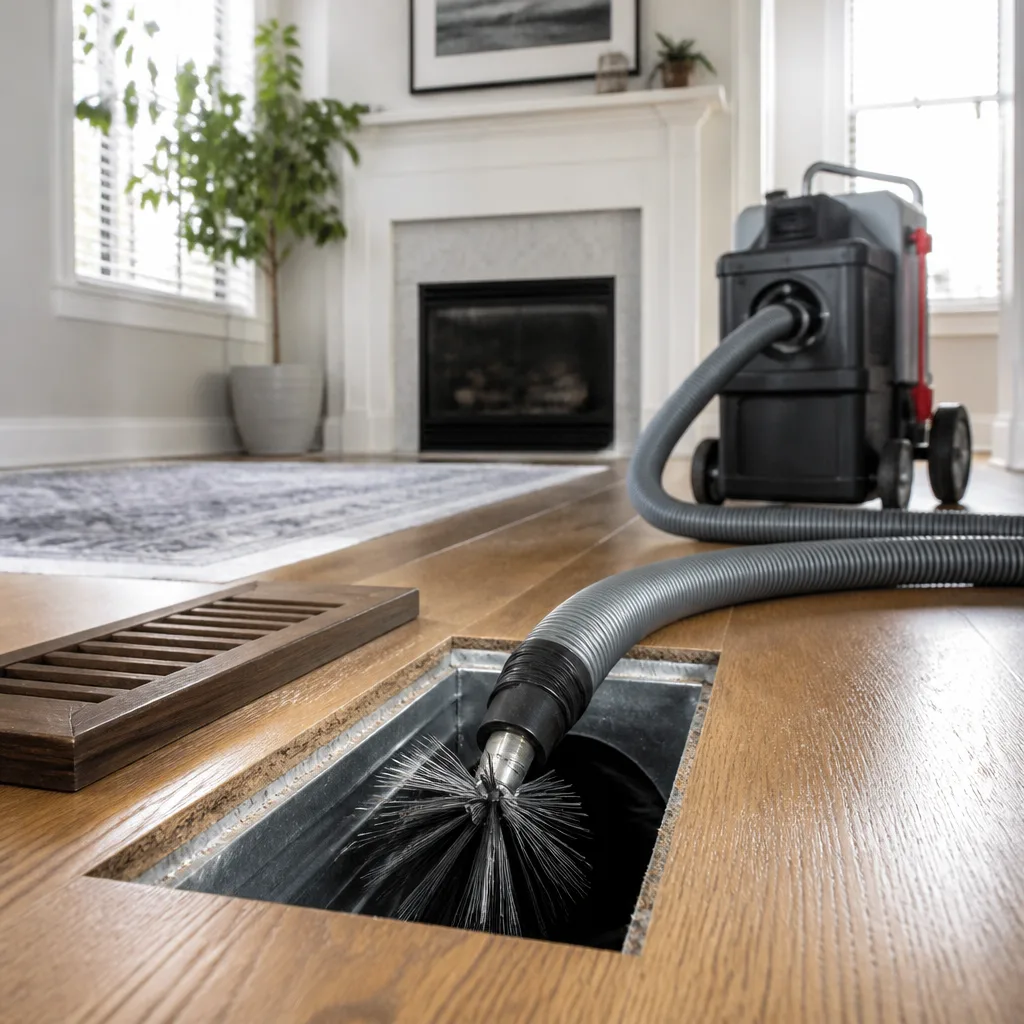 Whole-home duct cleaning
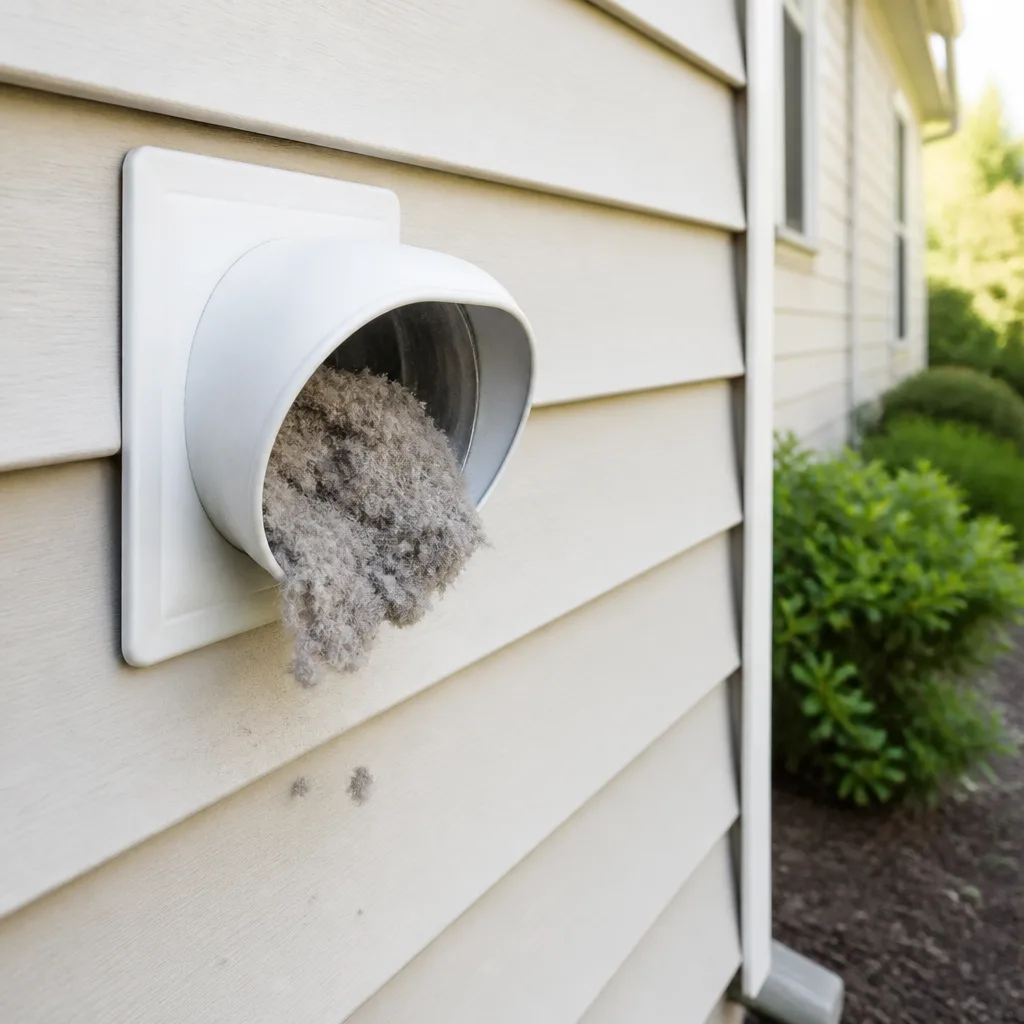 Dryer vent cleaning
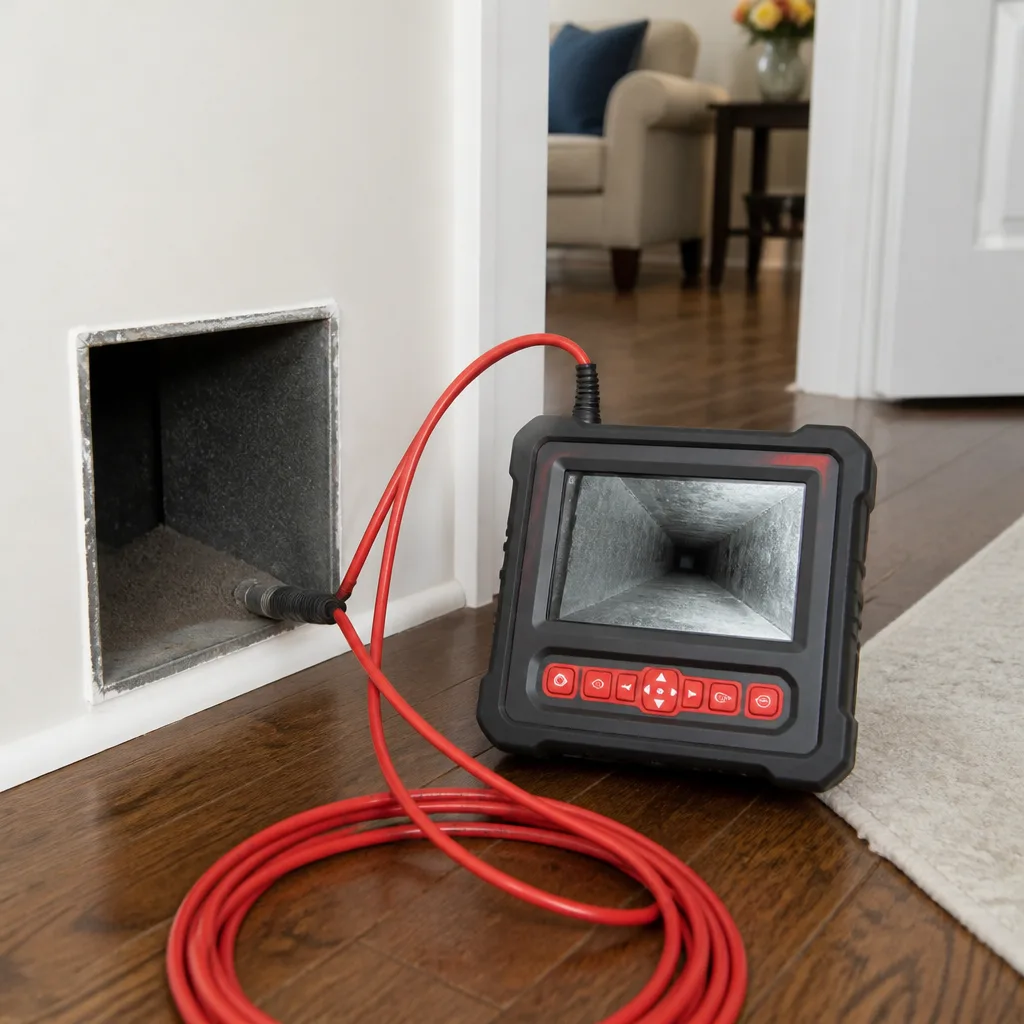 Camera inspection
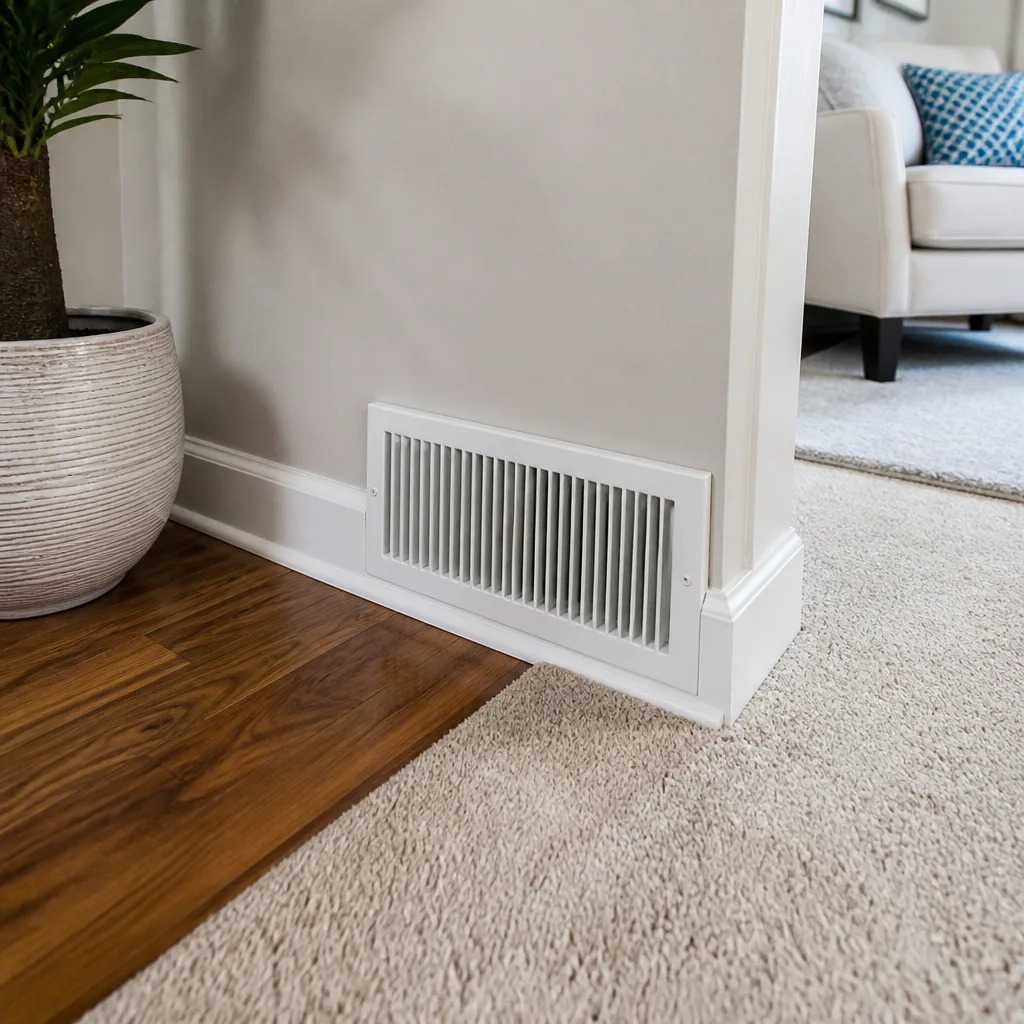 Sanitizing & deodorizing
Whole-system duct and dryer vent check with before-and-after photos - you see exactly what came out of your vents
That "$99 whole-house special" is a bait ad - the real number appears once they are in your hallway, or the "clean" is a shop-vac at the register. We photograph the inside of your ducts before and after instead.
The Complete Air Duct Cleaning Guide for San Bernardino Homeowners
San Bernardino County consistently ranks among the worst regions in the nation for airborne particulate matter, according to the American Lung Association’s State of the Air reports. Yet most duct cleaning advice online was written for humid Midwest homes where dust mite debris is the enemy. Your ductwork in San Bernardino is fighting a different war entirely: desert silt, wildfire smoke infiltration, and the fine particulate that Santa Ana winds push through every gap in your home’s envelope. This guide explains what that means for your HVAC system, what actual professional cleaning involves, and how to avoid the $49 specials that leave the real problem untouched.
Quick Answer
Air duct cleaning in San Bernardino is a professional service that removes accumulated desert dust, smoke particulate, and debris from your HVAC system’s supply and return ductwork using specialized agitation and negative-air equipment. For most San Bernardino homes, professional cleaning is worth considering every 3 to 5 years, more frequently during active wildfire seasons or after major home renovations. The right equipment matters more than the price point: professional-grade systems like Rotobrush and Nikro dislodge and extract what a basic vacuum cannot.
Styles & brands we work with
- Whole-home duct cleaning
- Dryer vent cleaning
- Camera inspection
- Sanitizing & deodorizing
Table of Contents
- Why San Bernardino Ducts Are Different
- What Professional Duct Cleaning Actually Does
- Rotobrush vs. Shop Vac: The Equipment Gap
- What a Full Inspection Actually Documents
- How to Sequence Cleaning with Filter Upgrades
- Dryer Vent Cleaning: A Separate Safety Service
- When Ducts Need Repair, Not Just Cleaning
- Common Mistakes to Avoid
Why San Bernardino Ducts Are Different
San Bernardino sits at the base of the San Bernardino Mountains, in a valley that traps airborne particulate against the foothills. The geography creates an inversion layer that holds dust, vehicle emissions from the 210 and 215 freeways, and smoke from regional wildfires low over the city for days at a time. Your HVAC system pulls that air through the return registers and into the ductwork, where heavier particles settle and accumulate.
We’ve opened ducts in homes across San Bernardino’s older neighborhoods – from the post-war tracts near Perris Hill Park to the hillside developments above Cal State – and the contamination profile is consistent. Fine tan silt, not gray household dust. Carbon particulate from wildfire smoke. Mineral grit from decomposed granite that gets tracked in and then circulated. It’s a heavier, denser residue than what you’d find in a coastal home, and it bonds to duct surfaces differently.
Santa Ana wind events accelerate the cycle. During a Santa Ana, outdoor particulate concentrations spike, your home’s natural air exchange rate increases (especially in older construction with loose envelopes), and your HVAC system works harder. Each event layers a fresh coat of fine particulate onto whatever was already inside the ductwork. Homes within a mile of the 210 freeway corridor or the BNSF rail yard see accumulation patterns that homes in quieter residential pockets simply don’t experience.
What Professional Duct Cleaning Actually Does
Professional duct cleaning is not a single pass with a vacuum hose. It’s a multi-step process that agitates, dislodges, extracts, and contains.
Here’s what a professional-grade cleaning sequence looks like:
- System assessment: The technician inspects the duct configuration, identifies access points, and documents baseline conditions including material type, visible breaches, and contamination level.
- Containment setup: Negative-air equipment is connected to create a vacuum environment that pulls air from the living space through the ductwork and into a filtered collection system. This prevents dislodged debris from being pushed back into your home.
- Agitation: This is the step that separates real cleaning from a surface vacuum. A rotating brush system physically contacts the duct walls, dislodging the bonded silt and carbon layers that have adhered over years of heating and cooling cycles.
- Extraction: The dislodged debris is pulled through the negative-air stream into containment, not blown around your house.
- Post-cleaning verification: Access covers are reinstalled, the system is checked for proper operation, and the work is documented.
The agitation step is where most budget operations fall short. A truck-mounted vacuum alone, without mechanical agitation inside the duct, extracts loose surface dust but leaves the bonded layer intact. In San Bernardino’s dry climate, that bonded layer is the majority of the contamination. It doesn’t just sit there; it off-gasses volatile organic compounds during heating cycles and becomes airborne during high-velocity cooling in summer.
Rotobrush vs. Shop Vac: The Equipment Gap
The equipment a company brings to your home determines what actually gets removed. Here’s the honest breakdown.
A consumer-grade shop vac, even a powerful one, generates suction but no meaningful agitation inside the duct. Think about what’s happening: the hose reaches a few feet into the register, pulls loose debris near the opening, and leaves the rest. A truck-mounted vacuum (what many budget operators use) generates stronger suction but still relies on air movement alone. Air movement doesn’t scrape bonded residue off duct walls any more than a strong wind cleans a dirty sidewalk.
Professional agitation systems work differently. A Rotobrush system runs a rotating brush head through the full length of the duct, mechanically scrubbing the surfaces while the vacuum extracts in the same pass. Nikro equipment provides industrial-grade negative air pressure and HEPA filtration that captures the fine particulate – the PM2.5 and PM10 that San Bernardino air quality reports track – rather than recirculating it.
The residue categories matter here. In our experience, San Bernardino ducts carry three distinct layers: loose debris (the easy stuff any vacuum gets), bonded mineral silt (requires mechanical agitation), and micro-particulate (requires HEPA-grade extraction to actually remove). If the equipment can’t address layers two and three, the cleaning is cosmetic.
Abatement Technologies negative-air equipment adds another dimension: true containment. This is the methodology used in remediation work, where the air pressure differential is managed so that nothing dislodged during cleaning escapes into the living space. Most residential duct cleaners never deploy it.
What a Full Inspection Actually Documents
A real duct cleaning service starts with an inspection that documents more than surface debris. Here’s what a thorough assessment covers:
- Duct material condition: Flexible duct in pre-1990 San Bernardino homes is often original. That’s 35 to 70 years of thermal cycling. The liner degrades, the spiral wire can poke through, and the outer jacket tears. You need to know what’s inside before you run a brush through it.
- Breach points: Separated joints, disconnected runs, and crushed sections. In older crawlspace and attic installations, it’s common to find ducts that have separated entirely, pulling unfiltered attic air – and all the particulate it carries – directly into the supply stream.
- Insulation degradation: Duct insulation in unconditioned spaces (attics, crawlspaces) breaks down over time. When it does, your system loses thermal efficiency and the degraded material becomes airborne debris.
- Filter housing condition: A filter that doesn’t seat properly bypasses the filtration entirely. That’s a common finding in older systems.
- Contamination type and extent: Is it primarily dust, smoke residue, construction debris, or biological growth? Each requires a different response.
The documentation matters because it changes the recommendation. Sometimes the right answer is cleaning. Sometimes it’s repair before cleaning – running an agitation brush through a compromised duct just makes the breach worse. Sometimes it’s replacement. A company that doesn’t inspect before quoting is guessing, and you’re paying for the guess.
How to Sequence Cleaning with Filter Upgrades
Here’s the sequencing mistake we see repeatedly: a San Bernardino homeowner upgrades to a high-efficiency filter – maybe a Honeywell MERV 13 or an Aprilaire media filter – and expects better air quality, but the upgrade is installed on dirty ductwork. The filter catches what’s already in the system, loads up quickly, and the homeowner blames the filter.
The order matters:
- Clean first, upgrade second. Get the accumulated contamination out of the ductwork before you install a filter designed to catch fine particulate. Otherwise you’re filtering air that’s already dirty at the source.
- Verify the filter housing. A new Aprilaire media cabinet on a poorly sealed housing leaks around the edges. The filter’s rating only applies to air that actually passes through it.
- Match the filter to your system’s static pressure capacity. Not every blower can handle a MERV 13 filter. Honeywell makes excellent filters across the MERV spectrum, but a restrictive filter on a system not designed for it reduces airflow, shortens equipment life, and costs you efficiency.
- Replace filters on schedule. In San Bernardino’s particulate-heavy air, a standard 1-inch filter in a home near a major roadway may need replacement every 30 to 45 days, not the 90 days printed on the package.
Doing it in the wrong order wastes money. You spend on filtration, the filter clogs or the airflow drops, and you’re back to square one with a system that still isn’t delivering clean air.
Dryer Vent Cleaning: A Separate Safety Service
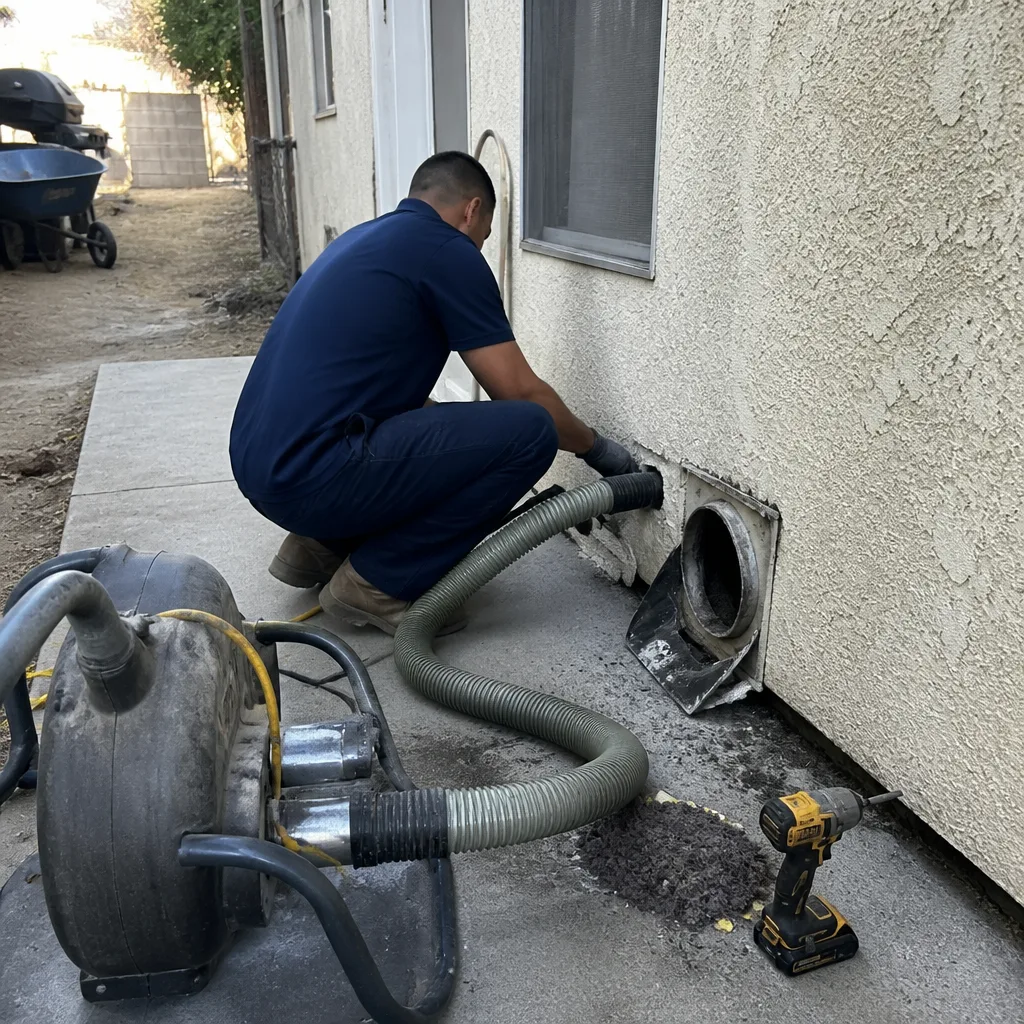
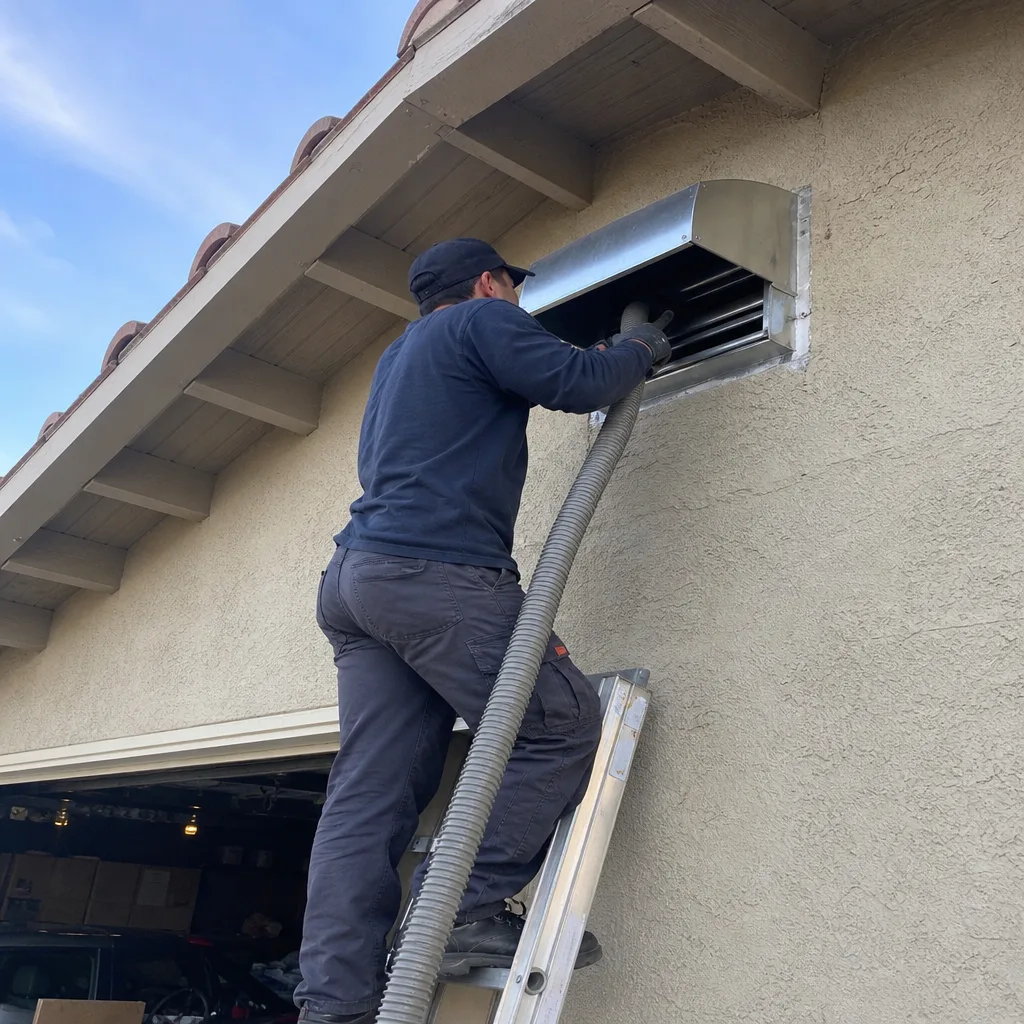
Dryer vent cleaning is not an optional upsell. It’s a fire-safety service, and it’s treated as such by anyone who understands what lint accumulation actually does.
Lint is highly combustible. It accumulates inside the vent pipe and around the dryer’s internal components. When airflow is restricted by that buildup, the dryer’s heating element runs hotter and longer to complete the same drying cycle. Eventually the accumulated lint ignites. The U.S. Fire Administration identifies failure to clean dryer vents as a leading cause of residential dryer fires.
San Bernardino’s climate doesn’t reduce this risk. The same dry air that makes the region’s particulate problems worse also makes lint more susceptible to ignition. And homes with longer vent runs – common in older San Bernardino floorplans where the laundry is located in an interior room or on an exterior wall far from the termination point – accumulate lint faster because airflow is already compromised by the run length.
The signs of a restricted dryer vent are measurable: clothes take longer to dry, the dryer exterior runs hotter than normal, and you notice a burning dust smell during operation. Any of those means the vent needs service now, not next month.
When Ducts Need Repair, Not Just Cleaning
Not every duct problem is a cleaning problem. Here’s the distinction that matters.
Cleaning addresses contamination: the accumulated silt, smoke residue, and debris inside an otherwise intact duct system. Repair addresses structural integrity: breaches, separations, crushed sections, and degraded material that compromise the system’s ability to deliver conditioned air cleanly and efficiently.
We repair ducts as a standalone service because we regularly see systems where cleaning alone would be incomplete. A duct with a 6-inch separation in the attic isn’t going to be fixed by a brush. A flex duct with a torn jacket bleeds conditioned air into an unconditioned space. A crushed metal run restricts airflow to a bedroom and forces the system to work harder everywhere else.
The repair capability matters because many duct cleaning companies don’t offer it. They’ll clean what’s there, document what’s broken, and leave. The homeowner then has to hire a separate contractor to fix the breaches – often without the benefit of the inspection data the cleaning technician already gathered. When one company can diagnose, clean, and repair, the information stays in a single chain of responsibility.
Common Mistakes to Avoid
- Buying on price alone. A $49 duct cleaning special is priced to get a truck to your driveway. The job that gets done for that price is either a surface vacuum or a high-pressure sales pitch for imaginary problems. Professional equipment and thorough work cost what they cost.
- Skipping the inspection. If a company quotes a price without looking inside your ducts, they’re not quoting your job. They’re quoting a generic service that may or may not address what’s actually there.
- Ignoring dryer vents during duct cleaning. These are separate systems with separate access points. A company that includes dryer vent cleaning as a “free add-on” is likely doing neither thoroughly.
- Replacing filters without cleaning first. As covered in the sequencing section, this wastes the filter’s capacity and your money.
- Assuming newer homes don’t need cleaning. Construction debris inside ductwork is common in newly built San Bernardino homes. Drywall dust, sawdust, and debris from the build process sit in the ducts until someone removes them.
- Waiting until symptoms appear. By the time you see dust accumulating unusually fast on furniture or notice reduced airflow from registers, the duct contamination is well established. Periodic professional cleaning, especially after wildfire seasons, prevents that state.
See the difference
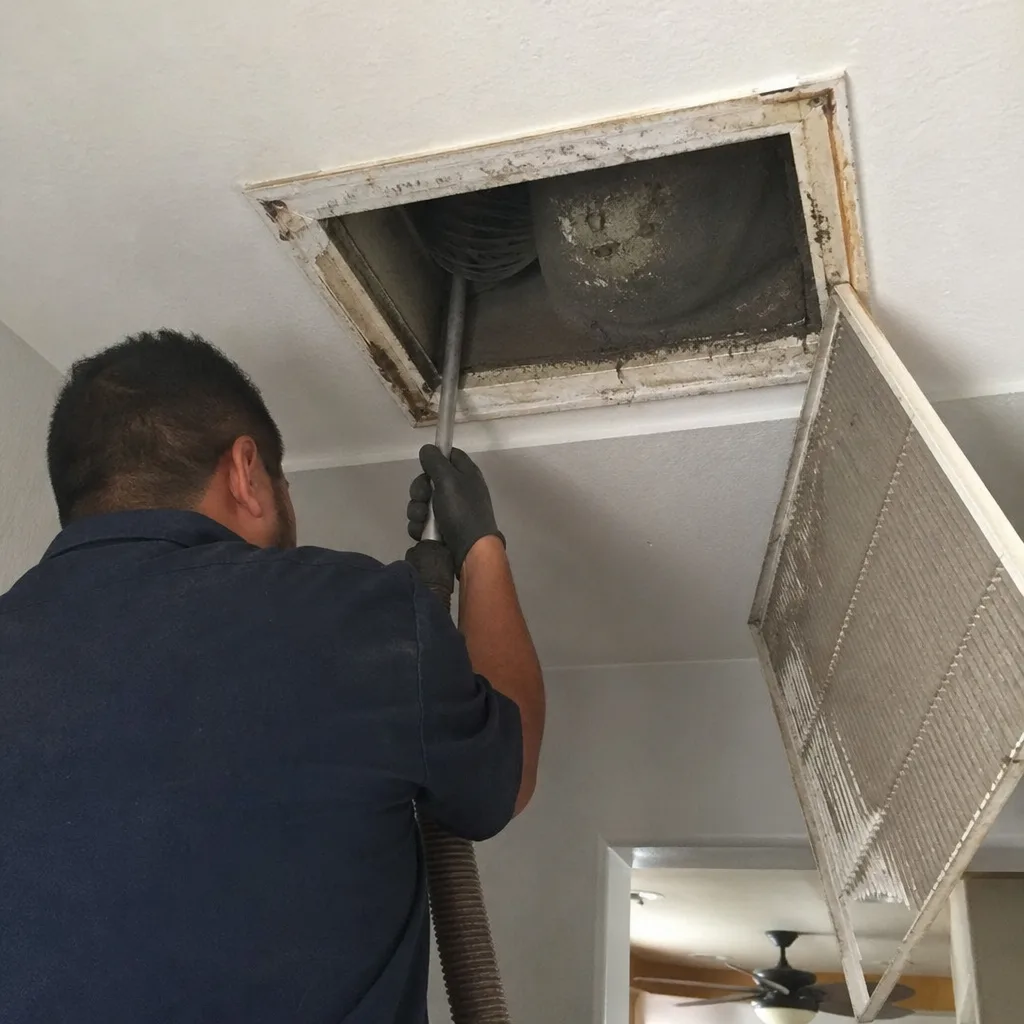 Before
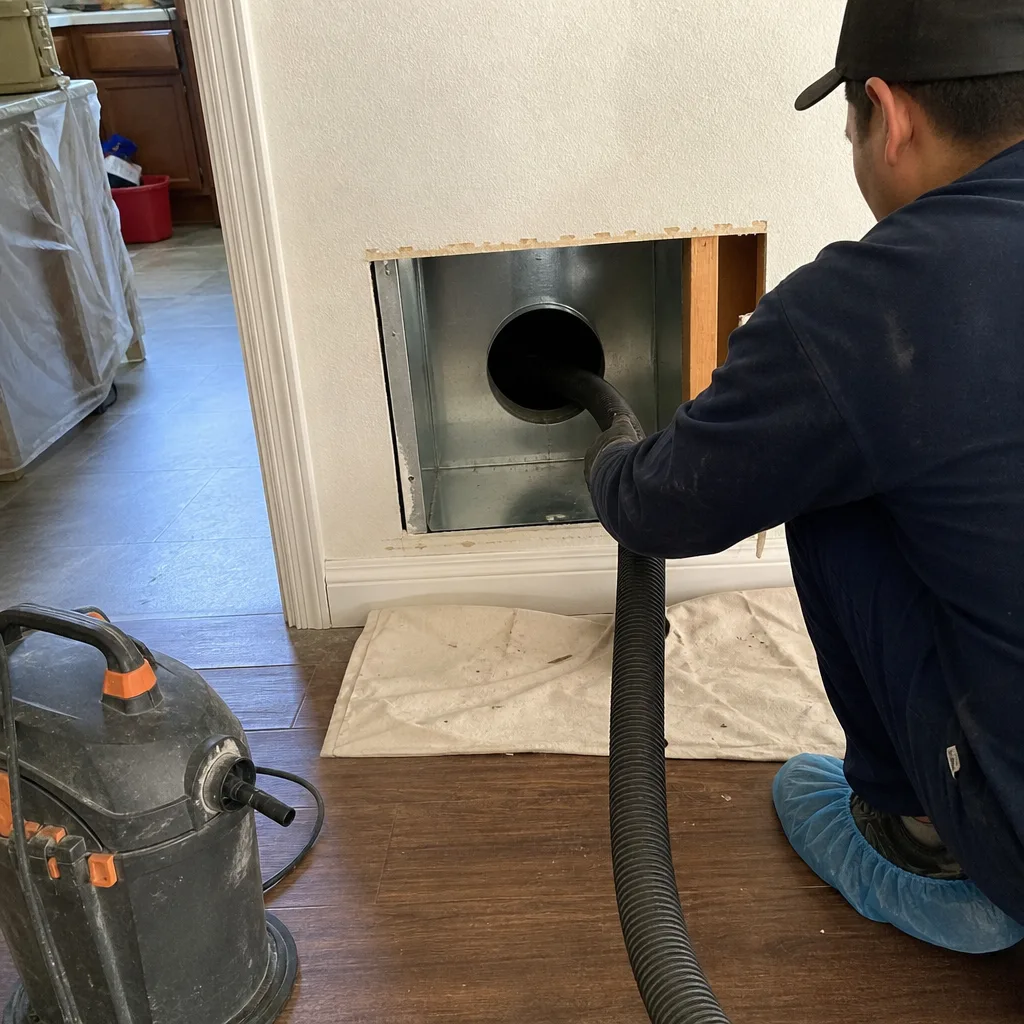 After
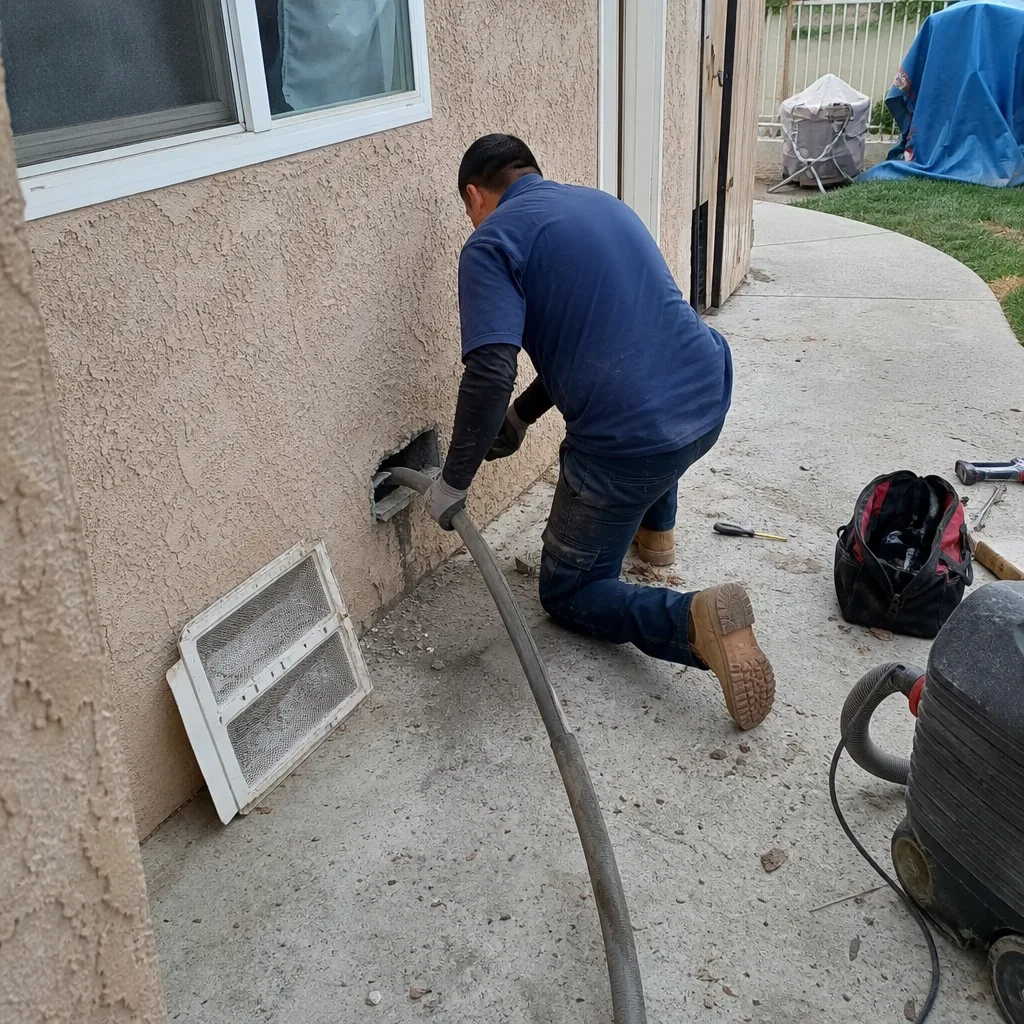 Before
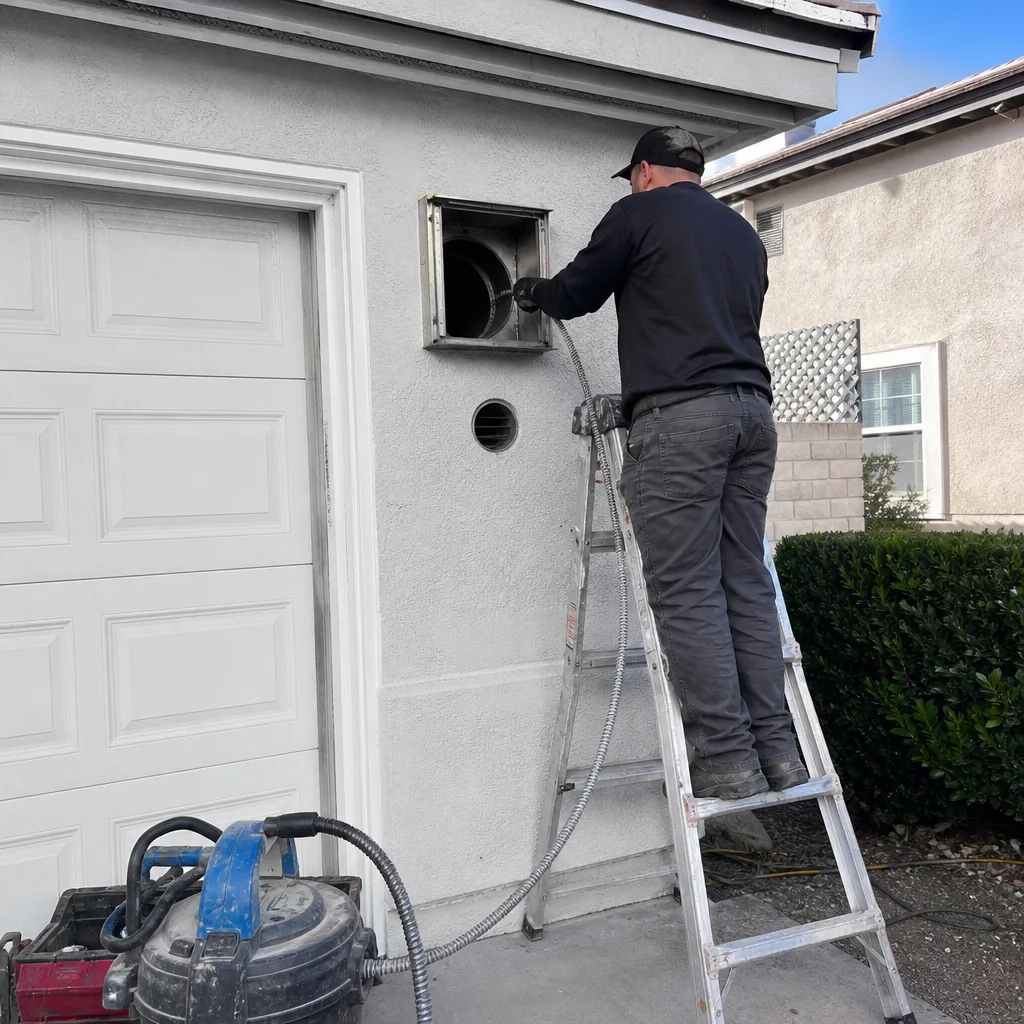 After
 Before
 After
When to Call a Professional
Call a professional duct cleaning service when you’ve experienced an active wildfire season with heavy smoke in your area, when you’ve completed major renovation work, when allergy or respiratory symptoms worsen in your home, or when you can see visible dust accumulation around supply registers despite regular filter changes. If you’ve never had your system cleaned and your San Bernardino home is more than 20 years old, the answer is probably now.
Lionheart Air Duct Cleaning offers professional air duct cleaning, dryer vent cleaning, and air duct repair with the equipment this work requires: Rotobrush agitation, Nikro negative-air extraction, and Abatement Technologies containment-grade methodology. We clean it, we repair it, we stand behind it. For a free estimate in San Bernardino, call (855) 356-4382.
Frequently Asked Questions
Most San Bernardino homes benefit from professional duct cleaning every 3 to 5 years, but wildfire smoke seasons and proximity to freeway corridors can shorten that interval. Homes near the 210 freeway or in areas that experience heavy Santa Ana dust events may need service every 2 to 3 years. The best way to know is to schedule our Air Duct Cleaning services so a professional can inspect the system and document the actual contamination level rather than following a generic calendar. Call (855) 356-4382 for a free assessment of your home’s specific situation.
For more context on what to expect, see The Complete Guide to Air Duct Cleaning in San Bernardino; professional service in the area typically ranges from $450 to $1,200 depending on system size, home square footage, number of HVAC units, and level of contamination. Cheap specials under $100 are not doing the same work – they’re running a vacuum hose into the first few feet of duct and calling it done. A reputable company quotes one flat price per system after inspecting the actual conditions. For an exact quote on your home, call (855) 356-4382.
The difference is equipment, time, and thoroughness. Budget operators use consumer-grade or basic truck-mount vacuums that extract loose debris but leave the bonded silt and smoke residue untouched. They also skip the inspection step because they’re not diagnosing anything – they’re selling a fixed package. Professional-grade agitation equipment like Rotobrush and negative-air containment like Nikro and Abatement Technologies systems cost more to own and operate, and the work takes longer because it’s actually being done. One flat price per system, agreed before work starts, eliminates the bait-and-switch model entirely.
A legitimate company documents the work: before-and-after inspection findings, what was found inside the ducts, what was removed, and what condition the system is in afterward. Some companies provide photo documentation of the interior before and after. If a crew shows up, stays for 45 minutes, and hands you a bill with no documentation, you didn’t get a professional cleaning. Ask upfront what verification you’ll receive.
Yes, when the cleaning is thorough and the home’s filtration is adequate. San Bernardino’s particulate pollution includes PM2.5 and PM10 that enter the home through the building envelope and get distributed by the HVAC system. Removing accumulated contamination from the ductwork reduces one ongoing source of indoor particulate exposure. That said, duct cleaning is one component of indoor air quality – it works best paired with proper filtration and regular filter maintenance; explore more guides & resources on keeping your home’s air clean. For homes where respiratory issues are a concern, the combination of professional cleaning and a properly rated filter system makes a measurable difference.
You can vacuum the visible area inside a register boot and replace your filters, but you cannot clean the interior of a duct system without the equipment to reach and agitate the full length of every run – read our DIY vs Professional Air Duct Cleaning: The San Bernardino Homeowner’s Decision Guide for a full comparison. Consumer shop vacuums don’t reach far enough and don’t provide safe containment for the particulate they disturb – you’d likely dislodge more contamination into the living space than you’d remove. Professional duct cleaning is a containment operation with agitation equipment designed for the job. This is one task where the equipment gap is decisive.
The Bottom Line
San Bernardino’s air is hard on ductwork. Desert silt, wildfire smoke, and Santa Ana particulate accumulate in ways that generic cleaning approaches don’t address. Real duct cleaning requires professional-grade agitation equipment – not a shop vac – paired with negative-air containment, and it starts with an inspection that documents the actual condition of your system. Pair the cleaning with proper filter upgrades in the right sequence, treat dryer vent cleaning as the fire-safety service it is, and don’t hire a company that can’t also repair what it finds. For San Bernardino homeowners who want the job done completely, dryer vent cleaning, full-system cleaning, and repair are all part of the same professional standard.
Written by the team at Lionheart Air Duct Cleaning, serving San Bernardino since 2013.