
Last updated November 2, 2026
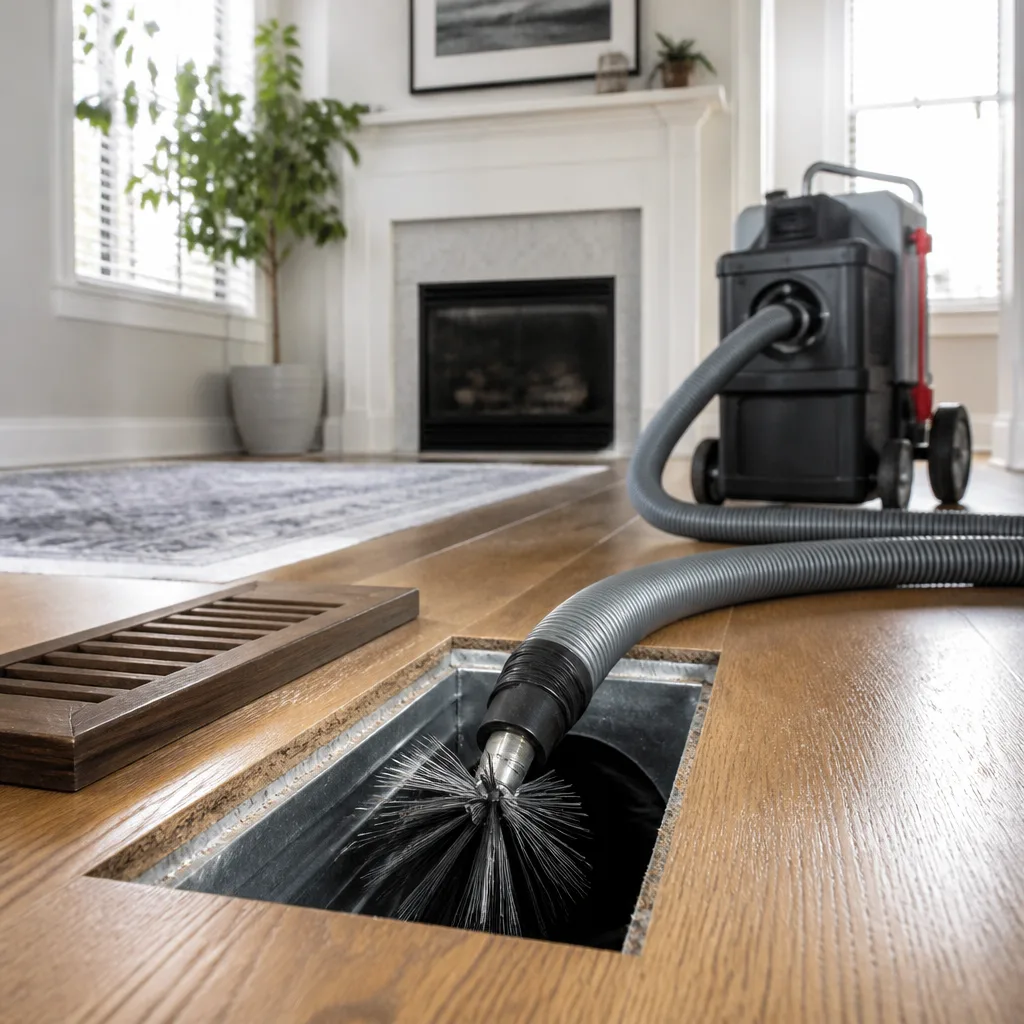 Whole-home duct cleaning
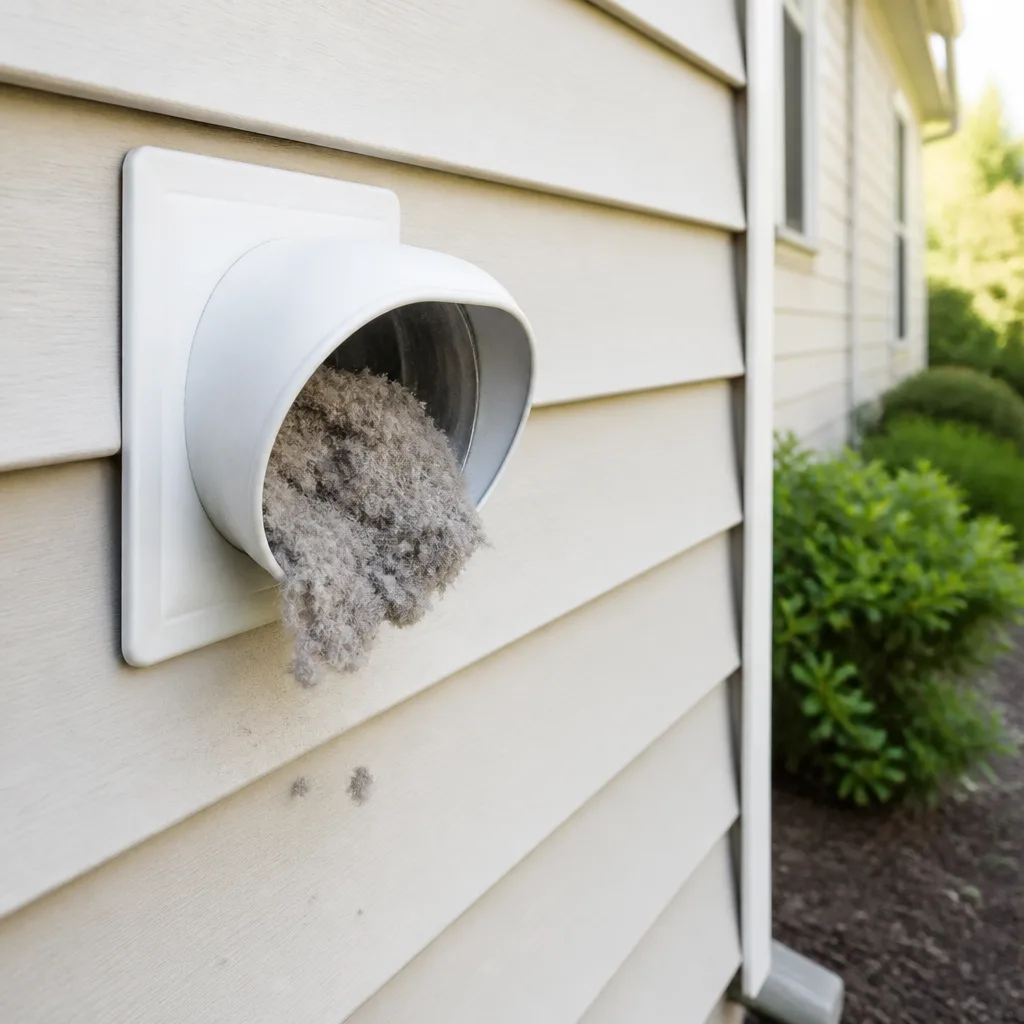 Dryer vent cleaning
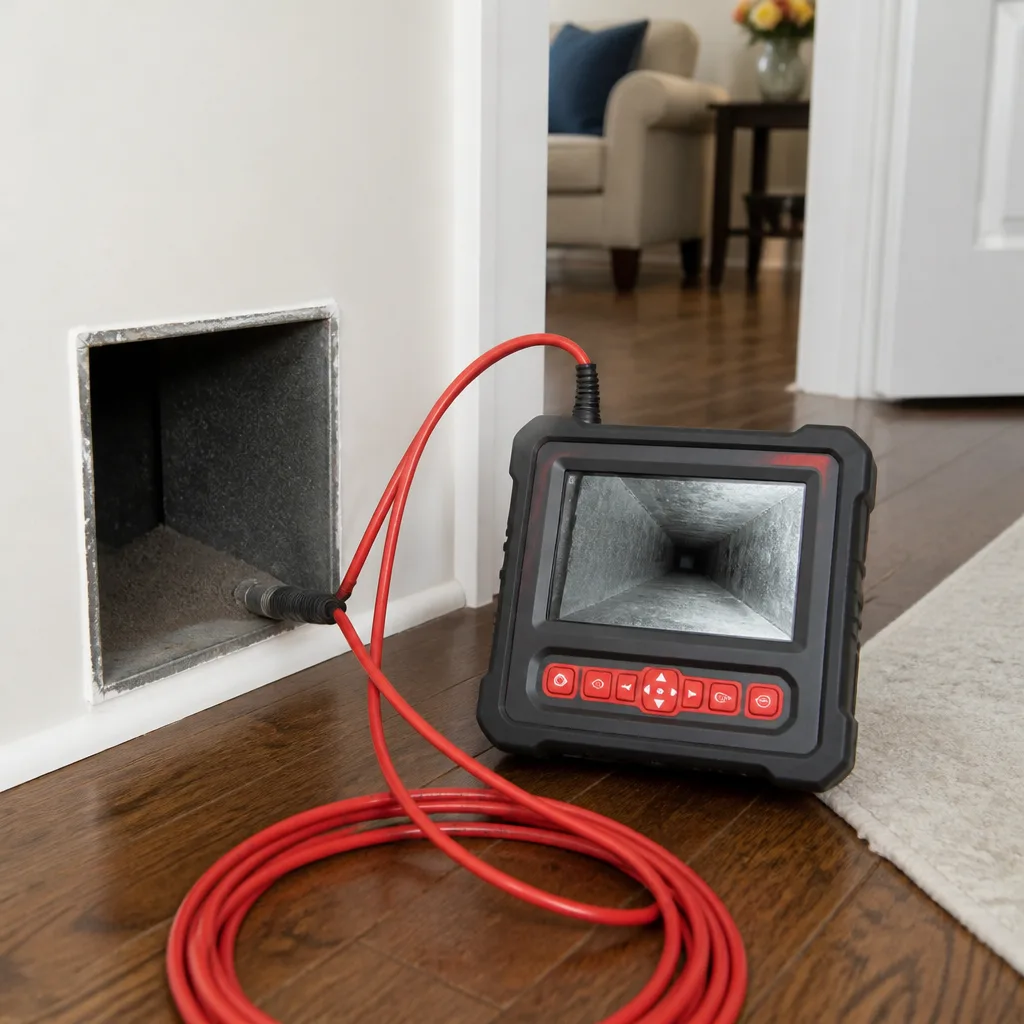 Camera inspection
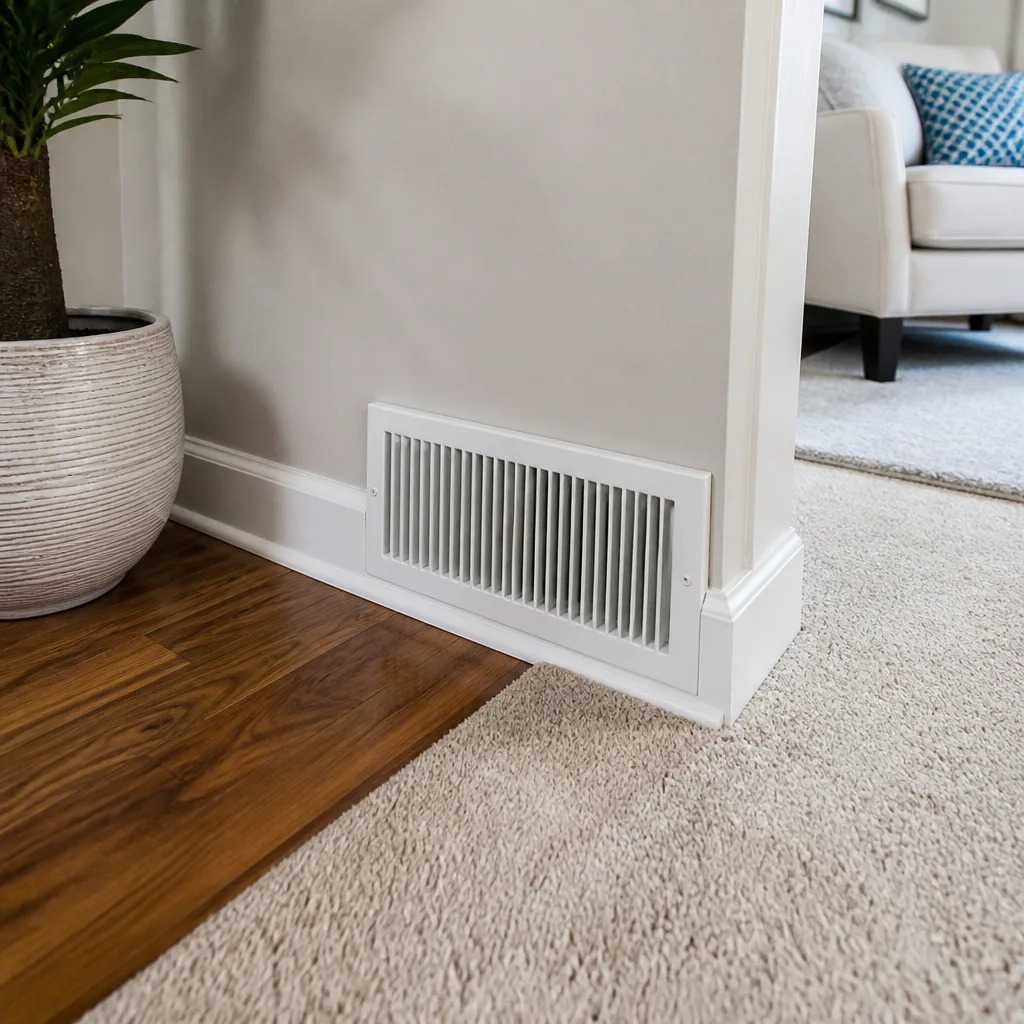 Sanitizing & deodorizing
Whole-system duct and dryer vent check with before-and-after photos - you see exactly what came out of your vents
That "$99 whole-house special" is a bait ad - the real number appears once they are in your hallway, or the "clean" is a shop-vac at the register. We photograph the inside of your ducts before and after instead.
How to Hire an Air Duct Cleaning Contractor in San Bernardino: A Step-by-Step Guide
Here’s a truth most San Bernardino homeowners don’t hear until it’s too late: the National Air Duct Cleaners Association has formally warned consumers about bait-and-switch duct cleaning scams for years, and California does not license or regulate duct cleaners. That means the $49 coupon mailer you got last week came from someone who needs no training, no certification, and no accountability to start poking around your HVAC system tomorrow. This guide exists because we’re tired of following behind those outfits and repairing the damage, both to the ductwork and to homeowners’ trust. By the end, you’ll know exactly what to ask, what to reject, and how to spot a legitimate contractor in San Bernardino before anyone touches your system.
Styles & brands we work with
- Whole-home duct cleaning
- Dryer vent cleaning
- Camera inspection
- Sanitizing & deodorizing
Quick Answer
Hiring a legitimate Air Duct Cleaning services contractor in San Bernardino means screening for three things: verifiable credentials (NADCA membership, EPA certification where applicable, and liability insurance), professional-grade equipment (negative-air containment systems, not a shop vac bolted to a van), and a written quote that follows NADCA’s source-removal standard rather than a teaser price designed to get a salesperson in the door. The lowest bid almost always means contact cleaning only, which does not remove contaminants from your ducts. Vet the contractor before you book, verify their equipment before they arrive, and demand before-and-after camera footage before you pay.
Table of Contents
- Why Duct Cleaning Is Unregulated in California (and Why That Matters)
- The Three Credentials That Actually Matter
- Questions to Ask Before You Book
- How to Read a Quote: Line Items, Red Flags, and Legitimate Add-Ons
- Why the Lowest Bid in San Bernardino Almost Always Means Contact Cleaning
- What a Legitimate Post-Service Walkthrough Includes
- Common Mistakes to Avoid
- When to Call a Professional
- Frequently Asked Questions
- The Bottom Line
Why Duct Cleaning Is Unregulated in California (and Why That Matters)
California does not license air duct cleaners. Not at the state level, not in San Bernardino County. Anyone with a van, a website, and a stack of coupons can call themselves a duct cleaning contractor and start booking jobs tomorrow. This is why the market is flooded with operators who run $49 specials, do twenty minutes of theatrical vacuuming, and then pivot to a high-pressure sales pitch for mold remediation or antimicrobial fogging that the homeowner never asked for. The California Contractors State License Board regulates HVAC installation and repair, but duct cleaning exists in a gray zone that doesn’t require a CSLB license for cleaning-only work. That means the burden of verification falls entirely on you, the homeowner. When we clean ducts in San Bernardino, we’re often the second or third company to touch the system, and we’ve pulled out everything from construction debris to dead rodents that previous “cleanings” missed entirely. The takeaway is uncomfortable but essential: in an unregulated industry, the contractor’s own standards are the only standards that exist. A good indicator that a company takes those standards seriously is when they mention NADCA, the National Air Duct Cleaners Association. NADCA publishes the ACR standard, the industry’s recognized source-removal protocol, and membership is voluntary. If a contractor hasn’t heard of NADCA, that tells you something useful about their approach to a job that no one is forcing them to do correctly.
The Three Credentials That Actually Matter
Most homeowners ask about licensing first, and that’s the wrong question in this industry. The right question is what voluntary standards the contractor holds themselves to, because the state won’t hold them to anything. Here are the three verifiable credentials that separate professional duct cleaners from coupon operators in San Bernardino:
- NADCA membership. The National Air Duct Cleaners Association requires members to adhere to the ACR standard, which specifies source-removal cleaning: mechanically agitating contaminants from duct surfaces and extracting them with negative-pressure equipment. NADCA membership is a strong signal because it’s voluntary. A company that pays membership dues and follows a published standard is making a deliberate choice to be accountable. You can verify NADCA membership on their public directory in about sixty seconds.
- EPA certification for mold or asbestos-adjacent work. If a contractor discovers mold in your ducts, they should be EPA-certified to handle it or able to refer you to someone who is. In California, any remediation of mold in occupied spaces falls under the state’s Toxic Mold Protection Act, and proper handling matters. Ask directly: “Are you EPA-certified for mold remediation if you find it during the cleaning?” If the answer is vague or the contractor dismisses the question, that’s a red flag. What you don’t want is a contractor who finds mold, sprays some bleach solution, and calls it fixed. That’s not remediation; that’s spreading a problem around.
- Liability insurance with adequate coverage. Duct cleaning involves running rotating brushes through sheet metal, accessing plenums, and sometimes working in attics or crawlspaces. Damage happens, and when it does, you need the contractor’s insurance to cover it, not your homeowner’s policy. Ask for a certificate of insurance and verify it’s current. A legitimate contractor will send this without hesitation. A contractor who balks at providing proof of insurance is telling you how they’ll handle a damage claim: they won’t.
We carry insurance because we work with professional-grade equipment in San Bernardino homes that can be sixty, seventy, eighty years old. Ductwork that age is fragile, and the company touching it needs to be prepared for that reality. That preparation includes proper training, proper equipment, and proper documentation. If you want to see real expertise, ask to see a copy of the contractor’s NADCA certification or confirmation of their EPA lead-safe or mold-handling credentials. Professional companies keep those documents current and will show them to you.
Questions to Ask Before You Book
Here’s the phone script we wish every San Bernardino homeowner would use before booking a duct cleaning. These six questions take three minutes to ask and will eliminate most of the bad operators immediately. The key is to ask them before you book, not when the van is already in your driveway.
Question 1: What equipment do you use, by brand name?
A professional contractor will name their systems without hesitation. We run Rotobrush and Nikro equipment, the same systems used by certified HVAC and restoration contractors across the industry. These are truck-mounted or portable units designed for source removal, not consumer-grade shop vacuums. A contractor who says “we have everything we need on the truck” and can’t name a brand is likely carrying the same equipment you could rent from a hardware store.
Question 2: Do you use negative-pressure containment during cleaning?
NADCA’s ACR standard requires negative air pressure to prevent contaminants from being blown back into your living space. This means the cleaning equipment pulls air through the duct system under vacuum, containing and capturing what’s dislodged. Abatement Technologies negative-air equipment is the benchmark here: it’s the same containment-grade methodology used in restoration and remediation work. Most budget operators skip this step entirely because the equipment is expensive and the setup takes time. If the answer to this question is hesitant or confusing, hang up.
Question 3: Can I see the camera footage?
Professional duct cleaning companies use inspection cameras to document the condition of your ducts before and after cleaning. This footage is your proof that the work was actually done. Ask if the contractor provides before-and-after video or photos as part of the service, or at minimum, offers a live walkthrough of the camera inspection while they work. In our experience, the contractors who refuse to show you what’s inside your ducts are the same ones who don’t want you to know what they missed.
Question 4: Do you repair duct damage you find?
Most standalone duct cleaning companies do not offer air duct repair as a service. They’ll clean what they can and ignore what they can’t fix, leaving you with a clean but broken system. We offer Air Duct Repair in Rialto and surrounding areas because a system with gaps, disconnected joints, or crushed sections is not a system that stays clean. Ask your prospective contractor what they do when they find damage. If the answer is “we don’t do repairs,” ask for a referral. If the answer is “we’ll note it in the report,” understand that you’ll be paying someone else to fix it later, and the cleaning you just paid for may be partially undone by the same leak that introduced contaminants in the first place.
Question 5: Who’s doing the actual work?
Subcontracting is common in this industry. You book with one company, and a different crew shows up. There’s nothing inherently wrong with subcontracting, but you deserve to know who’s in your home and whether they’re held to the same standards as the company you vetted. Ask directly: “Do you use your own employees or subcontractors?” If the answer is subcontractors, ask for the same credential verification you’d apply to the primary company.
Question 6: How long will the job take?
A legitimate source-removal cleaning of a typical San Bernardino single-family home takes three to five hours, sometimes longer for larger systems or heavily contaminated ducts. If a contractor tells you the job will take forty-five minutes, they’ve just told you they won’t be doing source removal. You cannot agitate and extract contaminants from an entire duct system in under an hour. We’ll say it plainly: fast duct cleaning is not duct cleaning. It’s a walkthrough with a vacuum.
How to Read a Quote: Line Items, Red Flags, and Legitimate Add-Ons
A professional duct cleaning quote is a line-item document that tells you exactly what you’re paying for. A bad quote is a single number with vague language and a promise that “everything’s included.” Here’s how to tell the difference before you sign anything in San Bernardino.
What a Legitimate Quote Includes
- Supply and return duct cleaning: The entire system should be cleaned, not just the visible register openings. Look for language that specifies the full duct run, not “up to 10 vents.”
- Plenum and trunk line access: The main distribution box and trunk lines are where contaminants accumulate. A real quote mentions them.
- Blower fan and coil cleaning: The air handler is part of the system. If it’s not on the quote, it’s not getting cleaned.
- Dryer vent cleaning (optional but recommended): Lint buildup in dryer vents is a documented leading cause of residential structure fires. We treat Dryer Vent Cleaning in Rialto as a fire-safety service, not an upsell, and your quote should reflect the same seriousness if it’s offered.
- Filter replacement: At minimum, the contractor should check and note the status of your air filters. A professional quote mentions filter confirmation, even if replacement is a small line item.
Red Flags in a Quote
- “Up to 10 vents” language. Real source removal doesn’t count vents like a coupon from a car wash. It cleans the system.
- Vague scope. “Full duct cleaning” with no further detail is not a scope of work. It’s a marketing sentence.
- Extremely low price. A $49 or $79 whole-house cleaning in San Bernardino is not a real offer. It’s a door opener for a sales pitch once the technician “discovers” problems during the job. The real invoice rarely stays under $500, and it’s often for work that wasn’t needed.
- Mold testing as a default line item. A legitimate contractor will inspect and flag concerns. A bait-and-switch operator will insist on “mandatory” mold testing and then offer remediation services at a markup. If mold testing appears on a quote without any prior discussion of visible mold, that’s a pressure tactic, not a diagnostic.
What Legitimate Add-Ons Look Like
Some additional services are legitimate and worth the cost. The difference is how they’re presented. A legitimate add-on is offered in writing, with a clear explanation of what it involves and what it costs. It’s never presented as a surprise discovery that requires an immediate decision. Common legitimate add-ons include antimicrobial fogging (when actual contamination has been found, not as a universal default), duct sealing, and replacement of damaged sections. If a contractor finds damage during cleaning, a professional will show you the camera footage, explain the repair, and provide a written quote for the work. You should never feel pressured to approve anything on the spot.
Why the Lowest Bid in San Bernardino Almost Always Means Contact Cleaning
Here’s the math problem in the duct cleaning market: source removal is expensive. The equipment alone, commercial-grade Rotobrush or Nikro systems plus negative-air containment, costs tens of thousands of dollars. Add insurance, training, and technician time, and a legitimate whole-home cleaning in San Bernardino typically runs $400 to $900 depending on system size and condition. A contractor charging $49 is not losing $350 per job. They’re not cleaning the same way.
What budget operators do is called contact cleaning. They run a vacuum hose into each register opening, maybe wave a brush a few inches inside, and call it done. What they don’t do is agitate contaminants off the full length of the duct surface or extract them under negative pressure. The dust, debris, pet dander, and construction residue in the trunk lines and plenum stay exactly where they were. The homeowner pays less and receives less, but the worst part is that they believe the job was done correctly. The invisible failure is worse than no cleaning at all, because it delays real cleaning and gives a false sense of improved air quality.
San Bernardino’s housing stock makes this especially relevant. Many homes in the area were built between the 1950s and 1980s, and their original ductwork has rarely been replaced. Decades of dust, rodent activity, and insulation breakdown accumulate in those systems. Contact cleaning doesn’t touch that accumulation. We’ve followed behind $49 cleanings in San Bernardino and pulled out garbage bags of material that had been sitting in the ducts for years. The homeowner paid for a cleaning that didn’t clean, and then paid us to do it properly. The lowest bid wasn’t cheaper. It was just the first of two payments.
When you compare quotes, compare scopes of work, not just numbers. A $600 quote for full source removal with negative-pressure containment and before-and-after documentation is a different product than a $300 quote for “vent cleaning.” The legitimate quote is cheaper per unit of actual cleaning. That’s the comparison that matters.
What a Legitimate Post-Service Walkthrough Includes
You shouldn’t have to wonder whether your ducts were actually cleaned. A professional contractor will be able to show you, in documented form, what was done and what was found. Here’s what a legitimate post-service walkthrough includes, step by step:
- Before-and-after camera footage. The contractor should have recorded inspection video before starting and after finishing. The after footage should show clean metal surfaces, not the same dust and debris from the before footage. If you’re not sure what you’re looking at, ask the technician to explain it against the original inspection. This is your primary proof of work.
- A written scope of work. You should receive a document that lists exactly what was cleaned: supply ducts, return ducts, plenum, trunk lines, blower fan, coil, and any other components in the quote. Every line item should be marked as completed. If a section couldn’t be accessed, that should be disclosed, not silently skipped.
- Filter replacement confirmation. The technician should confirm that your air filters are either clean or replaced, and they should tell you the current filter size and type. If you use Honeywell or Aprilaire media filters, this is the moment to confirm the contractor knows what they’re working with. We clean around those systems regularly, and a professional will know the difference between a standard 1-inch filter and a media cabinet.
- A repair report, if applicable. If the contractor found damage, you should receive a written description with supporting photos and a quote for the repair. You should not be pressured to approve the repair on the spot, but you should have enough information to make an informed decision later.
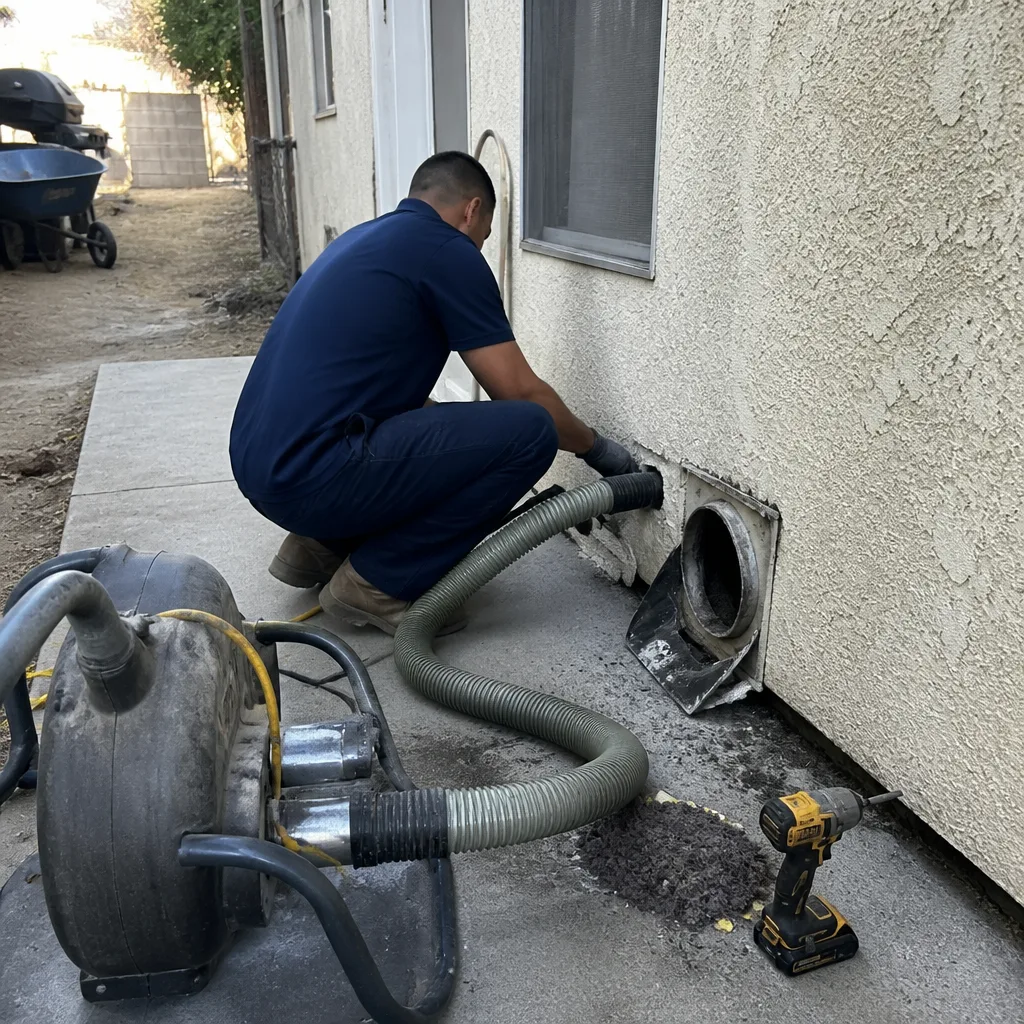
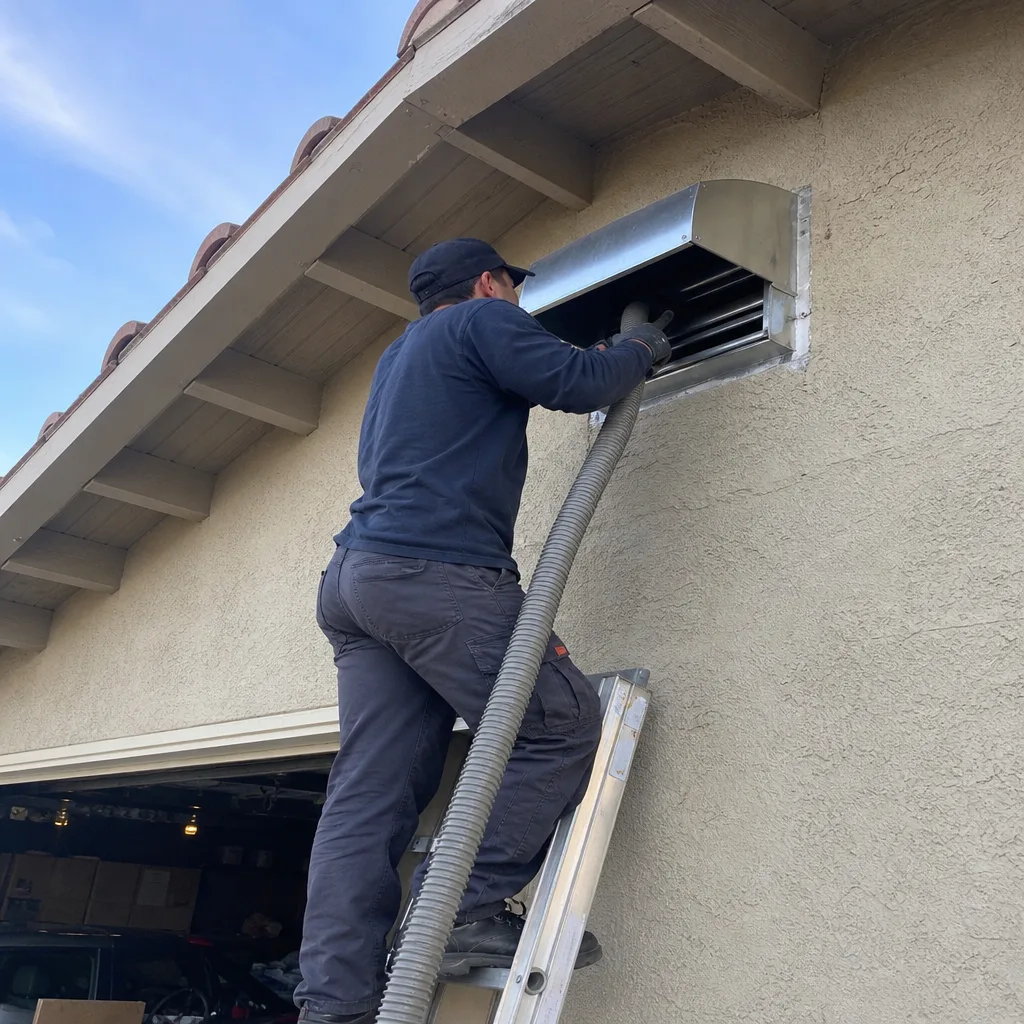
- Dryer vent confirmation. If dryer vent cleaning was included, the technician should show you the lint that was removed and confirm the vent is clear to the exterior termination point. Lint buildup is the leading cause of residential dryer fires, and a professional treats this as safety verification, not an optional note.
If a contractor can’t or won’t provide this documentation, you have every reason to question whether the work was done. Real duct cleaning is verifiable. That’s the standard we hold ourselves to on every job in San Bernardino, and it’s the standard you should demand from anyone you hire.
Common Mistakes to Avoid
- Hiring on price alone. The $49 coupon is not a deal; it’s a loss leader designed to get a salesperson in your home. The quote that follows is the real offer. In San Bernardino’s unregulated market, the lowest price is a warning sign, not a bargain.
- Skipping the equipment question. If you don’t ask what equipment the contractor uses, you won’t know until the tech arrives with a consumer-grade vacuum. By then, you’ve taken time off work and the pressure to proceed is real. Ask before you book.
- Not verifying insurance. Damage during duct cleaning is rare with proper equipment, but it happens. If the contractor isn’t insured, you’re paying for repairs out of pocket. Ask for a certificate of insurance and check that it’s current.
- Ignoring camera footage availability. Before-and-after inspection video is the only way to verify the cleaning actually happened. Contractors who don’t offer it are choosing not to be accountable. That choice is informative.
- Treating dryer vent cleaning as optional. Dryer vent cleaning is a fire-safety service. Lint is highly flammable, and San Bernardino’s dry climate doesn’t help. If your dryer takes longer than forty-five minutes to dry a load, your vent needs attention, not a new dryer.
- Approving repairs under pressure. Any contractor who discovers damage and demands an immediate decision is creating a pressure situation. A professional documents the issue, explains it clearly, and gives you time to decide. Never sign for repair work you haven’t had time to evaluate.
- Not asking about post-service documentation. If you don’t ask, you may not receive anything beyond a receipt. The written scope of work and camera footage are your proof of value. Insist on both, in advance, as a condition of the job.
When to Call a Professional
Duct cleaning is not a DIY project, and it’s not a handyman task. You need a professional when your home shows any of these signs: visible dust blowing from registers when the system runs, a persistent musty smell from the vents, uneven airflow between rooms, allergies that worsen when the HVAC is on, or evidence of rodent activity in ducts. You also need a professional if you’ve just completed a renovation. Construction dust settles everywhere, including deep inside ductwork, and a standard household vacuum won’t reach it. If you’re in San Bernardino and noticing any of these signs, the first step is a camera inspection. Lionheart Air Duct Cleaning offers free estimates in San Bernardino – call (855) 356-4382. We’ll put a camera in your ducts and show you exactly what you’re dealing with before we recommend any work.
Frequently Asked Questions
Professional source-removal duct cleaning in San Bernardino typically runs $400 to $900 for a single-family home, depending on system size, number of units, accessibility, and contamination level. Quotes below $300 almost always mean contact cleaning only, not source removal per NADCA standards. Call (855) 356-4382 for a free estimate with a written scope of work.
Cheap quotes mean cheap methodology. A $49 or $79 offer is a door opener for a sales pitch, not the actual price of cleaning a system. The contractor plans to either do contact cleaning only, which doesn’t remove contaminants from duct surfaces, or to pressure you into add-on services once the technician arrives. In San Bernardino, where duct cleaning is unregulated, this pattern is widespread. Be skeptical of any quote that’s dramatically below the market range.
You verify with before-and-after camera footage, a written scope of work with each line item marked complete, and filter replacement confirmation. A professional contractor will provide all three without hesitation. If you’re not offered camera documentation or a completed scope list, you have reason to question whether a full cleaning was performed. Call (855) 356-4382 to learn what a documented duct cleaning looks like.
NADCA recommends Seasonal Air Duct Cleaning Care for San Bernardino: Year-Round Homeowner’s Guide scheduling every three to five years under normal conditions, more frequently if you have pets that shed heavily, smokers in the home, recent renovations, or family members with allergies or respiratory conditions. San Bernardino’s dusty, dry climate can accelerate accumulation, so homes near open fields or construction areas may need attention sooner. If you can’t remember the last cleaning, it’s time for an inspection.
Professional source-removal duct cleaning is safe when performed with appropriate equipment. Rotobrush and Nikro systems, which we use on every job, are designed for residential ductwork and won’t damage sheet metal when operated correctly. The risk comes from improper techniques: consumer-grade equipment forced into ducts, excessive brush pressure, or contractors who treat the system roughly without understanding its construction. That’s one reason equipment choice and contractor experience matter more than a low price.
No. A shop vac can’t reach more than a few inches into a duct register, and it has no negative-pressure containment to prevent what it dislodges from blowing back into the home. Duct cleaning is an equipment-intensive job that requires professional systems and trained operators. For more guides & resources, explore our blog. Attempting it with consumer tools leaves the system effectively untouched and may create dust clouds in your living space. For a free estimate and a camera inspection that shows you what’s actually in your ducts, call (855) 356-4382.
The Bottom Line
Hiring a duct cleaning contractor in San Bernardino comes down to this: verify before you pay. Check NADCA membership, ask about negative-pressure equipment, demand before-and-after camera footage, and insist on a written scope of work. Understand that the lowest bid is a red flag, not a bargain, and that $49 offers are designed to create a sales situation, not to clean your ducts. Look for a company that can clean and repair, because a broken system defeats the purpose of cleaning. Lionheart Air Duct Cleaning home is San Bernardino’s professional-grade option: we use Rotobrush and Nikro equipment on every job, negative-air containment, and we repair what we find, which is the standard worth insisting on. If you want a free estimate and a straight answer about what’s inside your ducts, call (855) 356-4382.
Written by the team at Lionheart Air Duct Cleaning, serving San Bernardino since 2013.
See the difference
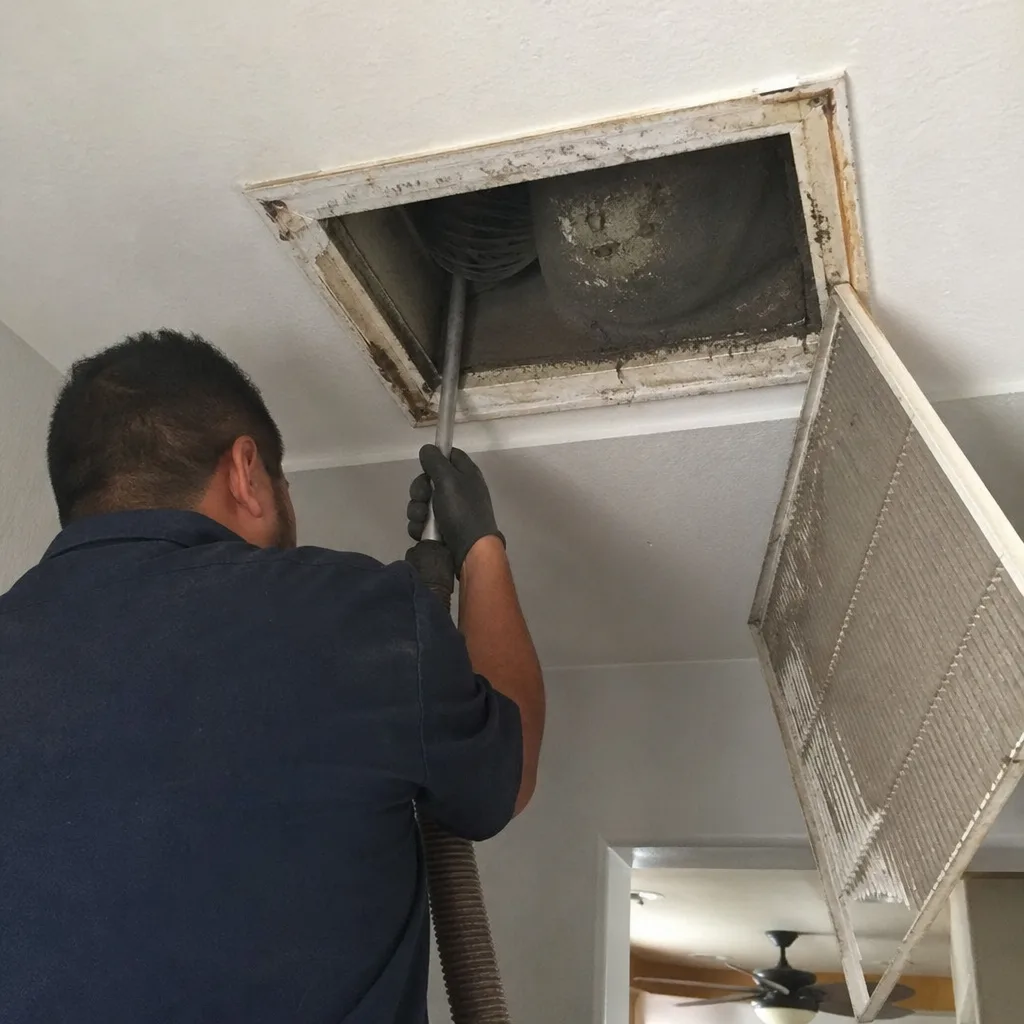 Before
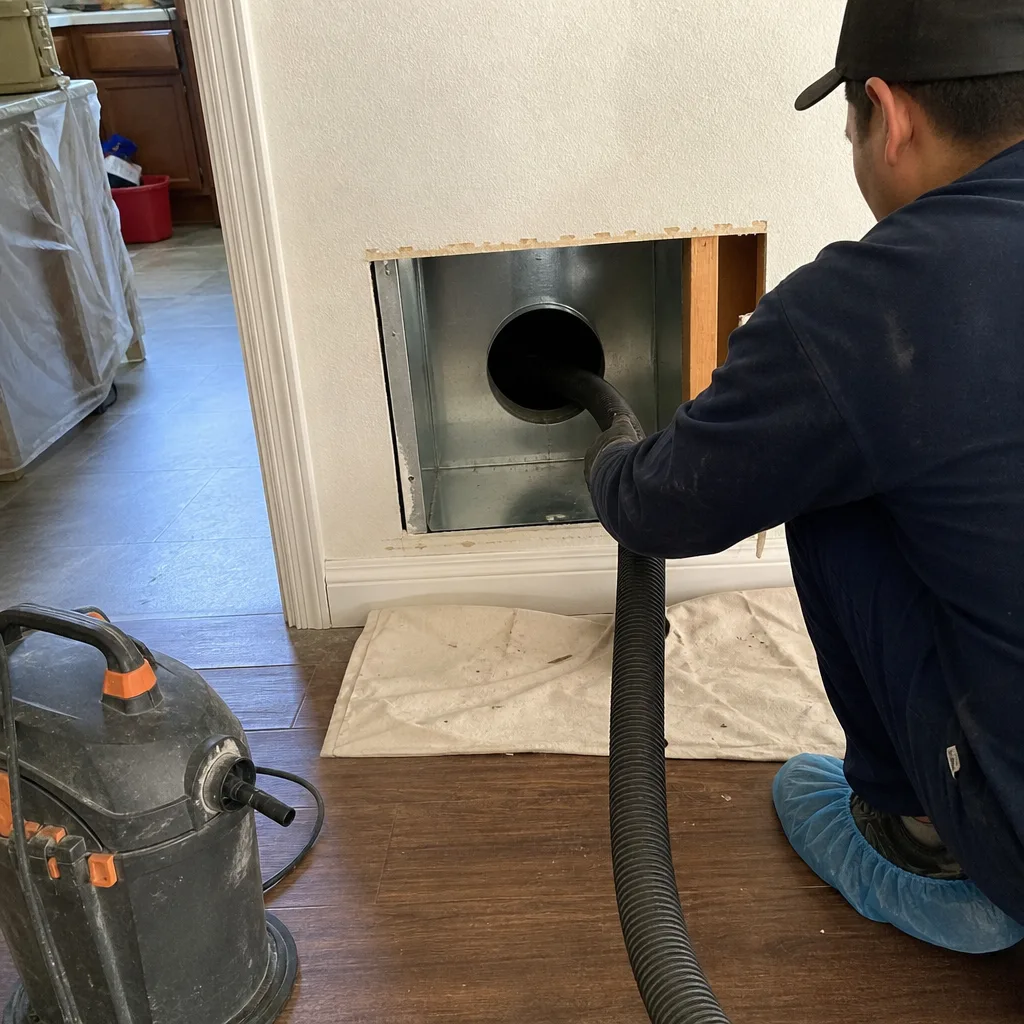 After
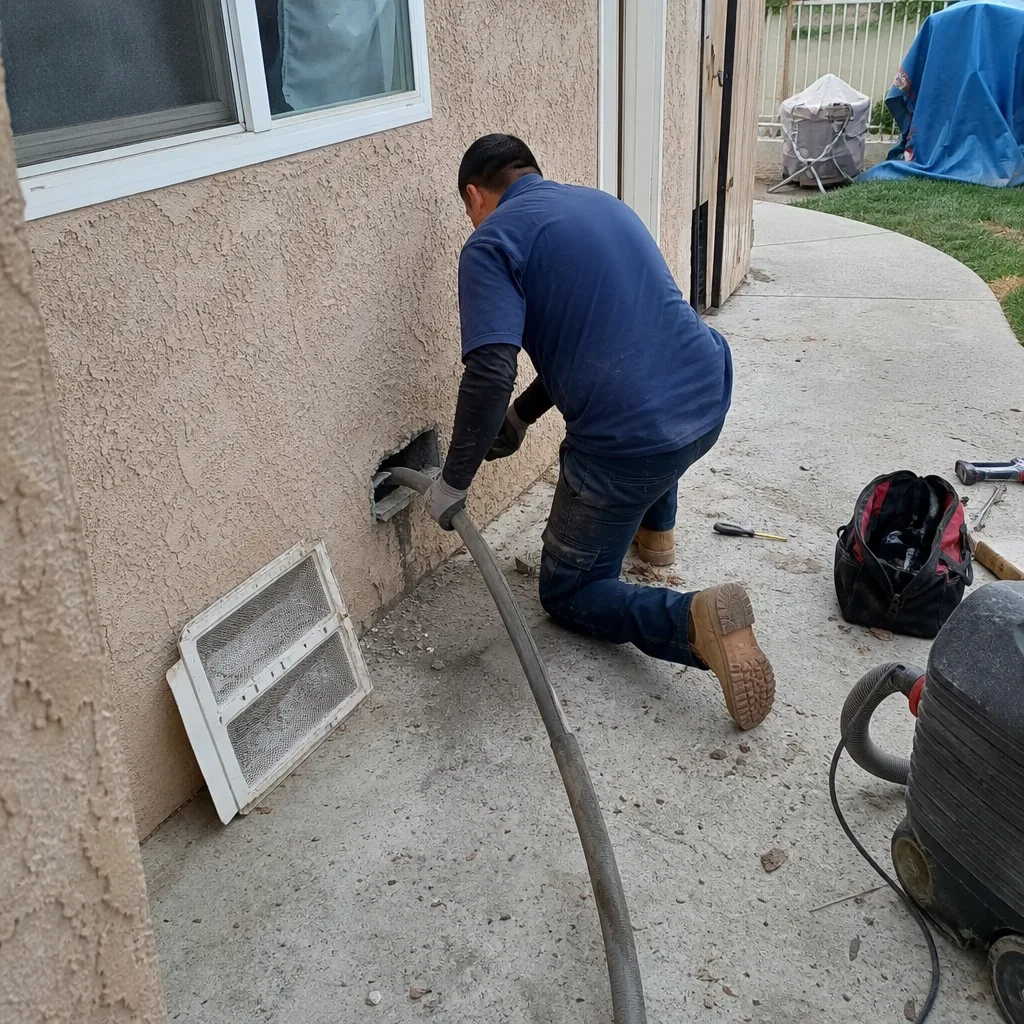 Before
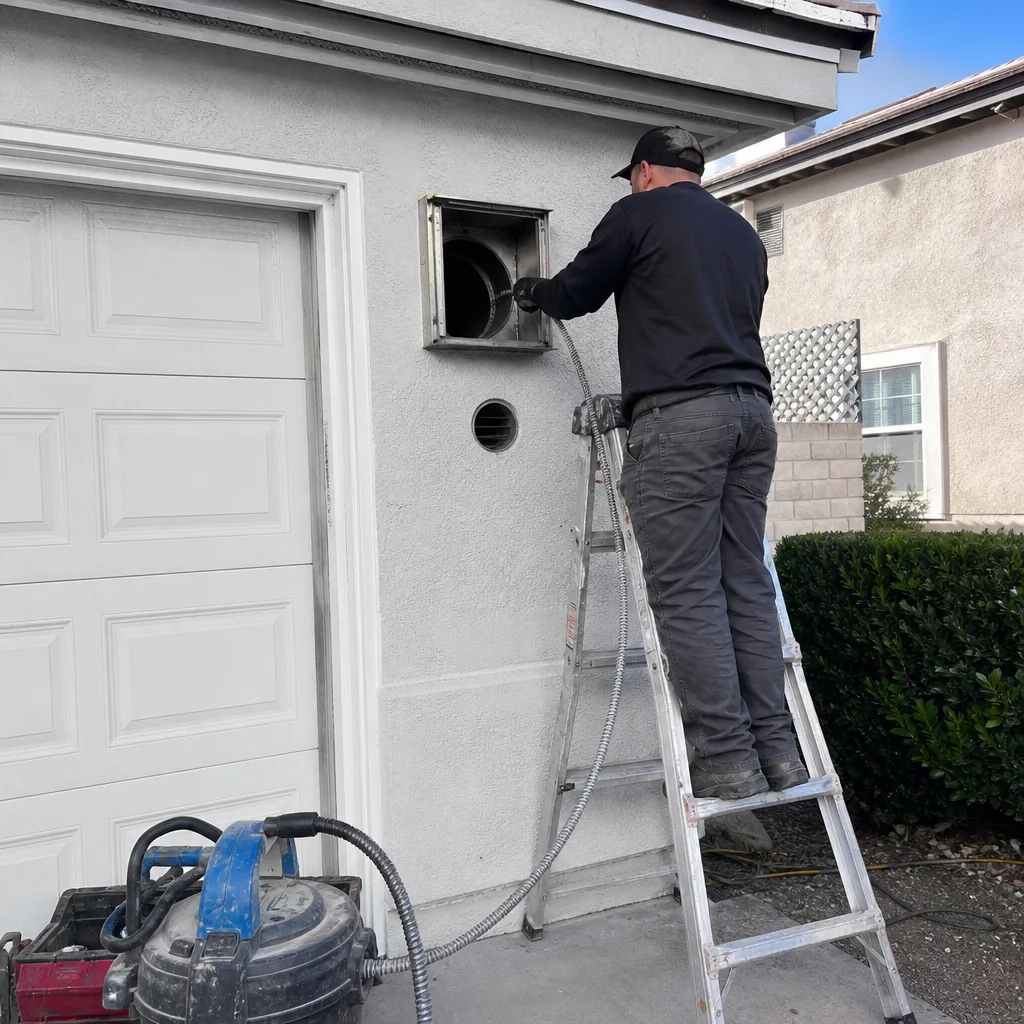 After
 Before
 After